 Call Us:-
08045475264 Call Us:-
08045475264
Call Us:-
08045475264 Call Us:-
08045475264

 Send Inquiry
Straight Through Quick Coupling
Price 100 INR/ Piece
MOQ : 1 Piece
Straight Through Quick Coupling Specification
- Head Code
- Hexagonal
- Max. Speed
- Up to 1000 cycles/min Km/s
- Torque
- Not Applicable (Non-rotating connection) kgf-mm
- Sealing
- Nitrile / Viton O-Ring Sealing
- Connection
- Threaded / Push-to-Connect
- Thread
- BSP / NPT (Male & Female options)
- Bore
- Full Bore Straight Through
- Material
- Metal
- Standard
- ISO 7241 / Custom options
- Product Type
- Straight Through Quick Coupling
- Inner Diameter
- 6 mm 25 mm (As per model) Millimeter (mm)
- Outer Diameter
- 12 mm 35 mm (As per model) Millimeter (mm)
- Weight
- 10-50 Grams (g)
- Color
- Silver
- Application
- Fluid Transfer / Pneumatic and Hydraulic Systems
- Surface Treatment
- Other
- Shape
- Reducing
- Coupling Mechanism
- Ball-Lock Sleeve / Push-Pull
- End Connection Type
- Male/Female Threaded, Hose Barb, or Push-In
- Leakage
- Zero-leakage design under recommended conditions
- Interchangeability
- Compatible with industry standard couplers
- Media
- Air, Water, Oil, Inert Gases
- Corrosion Resistance
- High (depends on base metal and finish)
- Temperature Range
- -20C to 120C (material dependent)
- Operating Pressure
- Up to 35 bar (dependent on model & material)
Straight Through Quick Coupling Trade Information
- Minimum Order Quantity
- 1 Piece
- Payment Terms
- Cash on Delivery (COD)
- Supply Ability
- 1 Piece Per Day
- Delivery Time
- 1 Days
- Main Domestic Market
- All India
About Straight Through Quick Coupling
We are one of the very reckoned manufacturers and suppliers delivering a sufficient assortment of Straight Through Quick Coupling. This coupling is widely brought in to application in various industries and provide leak proof connectivity. It permits full flow of material and ideal for thick, semisolid and paste like grease, powder etc. It has variety of end connection which helps reduce number of joints in the system. Over and above that, Straight Through Quick Coupling is available in varied specifications as per the demands of clients.
The main features of straight through couplings are :
- Size: 1/8" to 3"
- Material: steel, stainless steel, brass, aluminum end connection: BSP, NPT, hose shank
Optimized for Versatile Applications
Engineered for diverse fluid transfer processes, our quick couplings are ideal for pneumatic, hydraulic, and inert gas systems across multiple industries. Their compatibility with a wide range of media and adherence to ISO 7241 standards ensure reliable integration into existing setups, offering maximum utility for OEMs and maintenance operations alike.
Superior Performance and Reliability
With a durable, one-piece body and zero-leakage design, our straight through quick couplings handle up to 1000 cycles per minute and operate effectively under demanding conditions. Nitrile or Viton O-ring sealing maintains a tight seal even during high-frequency operation, reducing downtime and maintenance costs for end users.
Customizable Connections and Sizes
Choose from male/female threaded, hose barb, or push-in connections, including BSP and NPT threading options. Inner diameters from 6 mm to 25 mm and various outer diameters allow seamless matching to required pipeline specifications, delivering flexibility for both new and retrofit projects.
FAQs of Straight Through Quick Coupling:
Q: How does the ball-lock sleeve or push-pull mechanism work in these quick couplings?
A: The ball-lock sleeve or push-pull mechanism enables secure and rapid connection or disconnection of the couplings without tools. By sliding or pulling the sleeve, internal locking balls either secure or release the mating part, ensuring a tight, leak-proof fit every time.Q: What are the benefits of using straight through quick couplings for fluid transfer systems?
A: Straight through quick couplings offer full bore flow with minimal pressure drop, supporting efficient transfer of air, water, oil, or inert gases. The zero-leakage design, combined with corrosion resistance and durable construction, enhances system reliability and longevity.Q: When should I consider using a reducing coupling shape?
A: A reducing coupling is ideal when you need to connect pipes or hoses of different diameters within a fluid transfer, pneumatic, or hydraulic system. This enables compatibility between various equipment sizes while maintaining operational integrity.Q: Where can these couplings be installed?
A: These couplings can be installed anywhere fluid transfer or connection between pipelines is necessary, including industrial plants, pneumatic assembly lines, hydraulic machinery, and laboratory setupsespecially where quick changeover and maintenance are beneficial.Q: What types of end connections are available for this product?
A: The couplings are available with male or female BSP/NPT threaded ends, hose barb ends for flexible hose connections, and push-in connectors for fast assembly, enhancing versatility for different installation requirements.Q: How does the corrosion resistance feature benefit long-term usage?
A: High corrosion resistancedepending on base metal and surface polishprevents degradation from harsh fluids or environmental conditions, resulting in improved lifecycle, reduced maintenance, and reliable performance even in demanding settings.Q: What process is used to ensure zero leakage in these couplings?
A: Zero-leakage is ensured by precision machining, a one-piece body structure, and the integration of Nitrile or Viton O-ring seals. These elements work together to maintain a tight seal, provided recommended pressure and temperature limits are observed.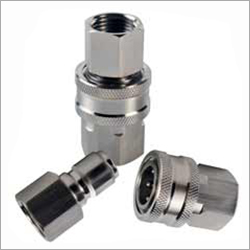
Tell us about your requirement

Price:
Quantity
Select Unit
- 50
- 100
- 200
- 250
- 500
- 1000+
Additional detail
Mobile number
Email

More Products in Quick Release Coupling Category
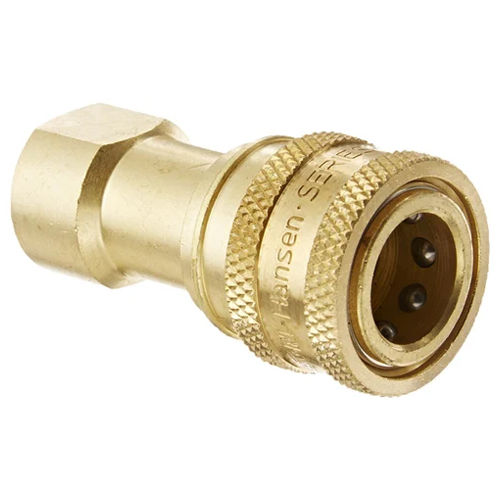
Hansen Quick Coupling
Price 4000 INR / Piece
Minimum Order Quantity : 10 Pieces
Material : Other, Brass
Product Type : Hansen Quick Coupling
Shape : Round
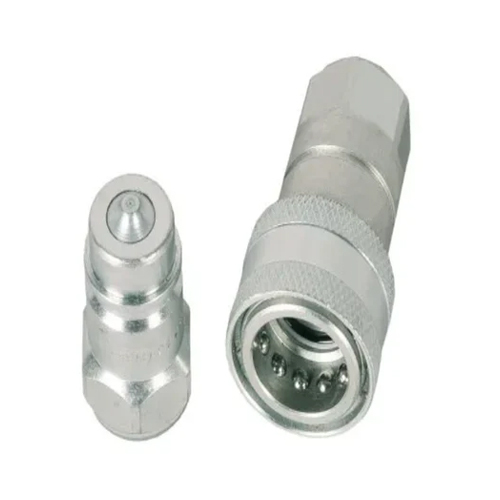
Quick Coupling
Price 380 INR / Piece
Minimum Order Quantity : 10 Pieces
Material : Steel
Product Type : ISO A Quick Coupling
Color : Silver
Shape : Round
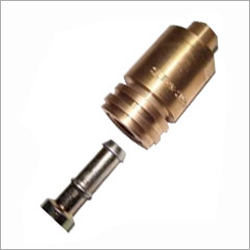
Engine Testing Quick Coupling
Price 500 INR / Piece
Minimum Order Quantity : 1 Piece
Material : Metal
Product Type : Engine Testing Quick Coupling
Color : Golden
Shape : Round
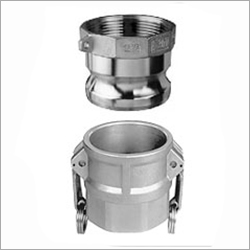
Material Transfer Coupling
Price 500 INR / Piece
Minimum Order Quantity : 1 Piece
Material : Metal
Product Type : Material Transfer Coupling
Color : Silver
Shape : Round

Contact Us

- 203, Bhola Bhagwan Industrial Estate, I.B. Patel Road, Goregaon (East),Mumbai - 400063, Maharashtra, India
- Phone : 08045475264
GST : 27AAACB6419M1ZH

- Mr. Nimesh M Purohit (Director)
- Mobile : 08045475264
- Send Inquiry
 Send Inquiry

B.S. HYDRO-PNEUMATIC PRIVATE LIMITED
All Rights Reserved.(Terms of Use)
Developed and Managed by Infocom Network Private Limited.
Developed and Managed by Infocom Network Private Limited.
 English
 Spanish
 French
 German
 Italian
 Chinese (Simplified)
 Japanese
 Korean
 Arabic
 Portuguese